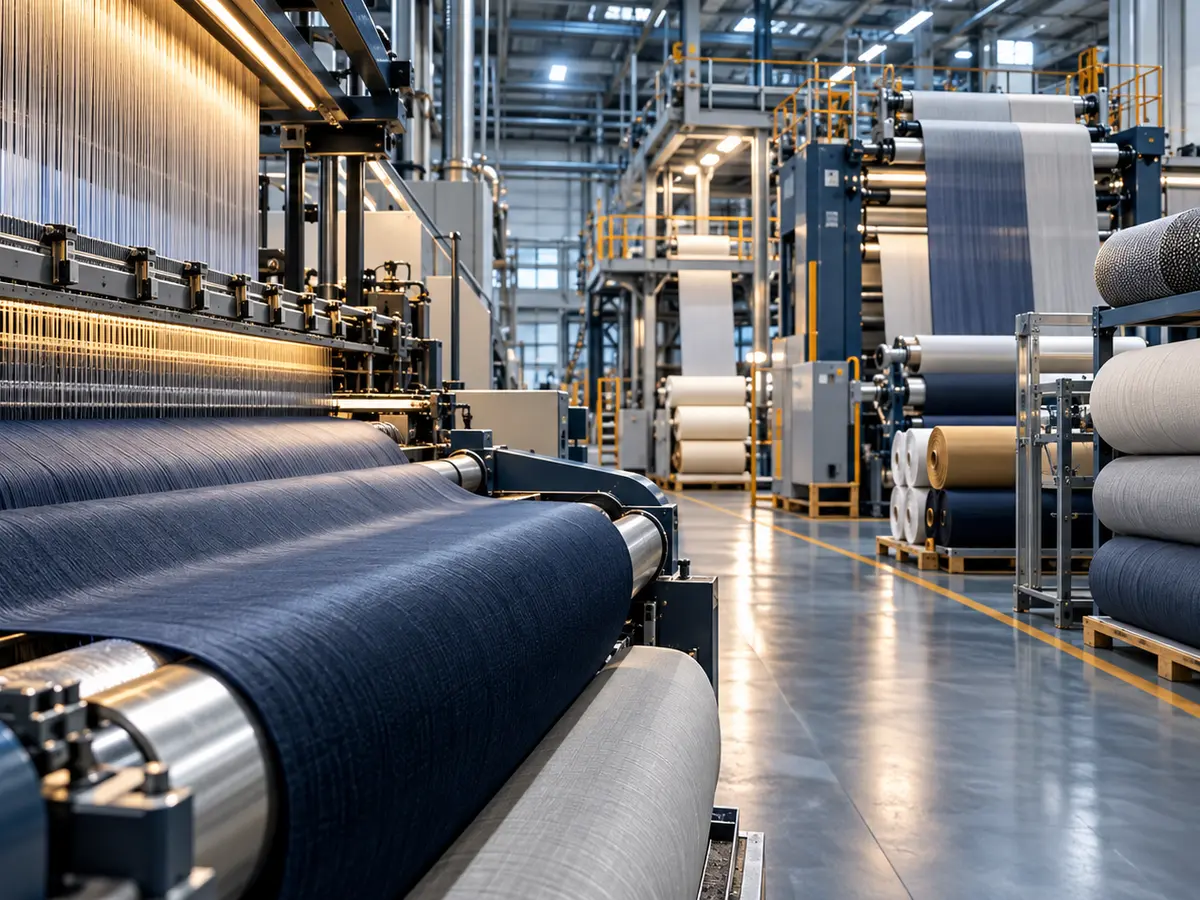
Textile and apparel exports grow when production strength meets a precise buyer need.
Capacity alone does not create market access. Buyers evaluate product fit, quality consistency, compliance, minimum orders, sampling speed, branding options, packaging, lead times, traceability and the supplier’s ability to communicate clearly throughout development and repeat production.
SECOND DESK connects market-entry planning with buyer and partner development. We define which buyer groups value the offer, map relevant brands, importers, wholesalers, sourcing offices, promotional-product companies, hospitality suppliers and distributors, and create a disciplined route from introduction to sample and commercial discussion.
A broad field with distinct buyer routes
Yarn, greige and finished fabrics may move through mills, converters, agents and garment manufacturers. Apparel and private-label production depend on brand positioning, collection calendars, product development and supply reliability. Woven or printed labels and trims connect to garment factories, brands and packaging ecosystems. Promotional textiles require distributors, agencies and corporate-programme suppliers, while towels and home or hotel textiles often move through importers, retailers, hospitality contractors and institutional buyers.
From garments to labels, the offer must be specific
A broad catalogue is rarely enough. Product range, materials, construction, finishing, customisation, certification, sample readiness, minimum order, target price position and delivery capability should be translated into a buyer-specific offer. The route for a fashion brand is different from the route for a hotel towel programme, a corporate promotional order or a label supply agreement.
Turn capability into buyer evidence
Product data, certifications, test results, production control, references, sample readiness and a clear commercial process help buyers evaluate fit. Market development becomes stronger when these signals are adapted to the buyer’s category and programme instead of presented as generic manufacturing capacity.